
It was not fun to get around in Tulum tourism
Getting around Tulum is far more difficult than most travelers expect. The hotel zone is essentially served by one long, narrow road that runs parallel to the beach, and much of it lacks proper sidewalks. Traffic is constant, with motorcycles weaving between cars and delivery trucks rumbling past, making it feel genuinely unsafe for pedestrians. Walking along the road isn’t just unpleasant—it’s stressful. While walking on the beach sounds like a dreamy alternative, the reality is far less romantic. By 9 a.m., the heat was already oppressive, with temperatures hovering around 90°F. After just 20 minutes under the blazing sun, I was drenched in sweat and completely miserable. To make matters worse, the beach itself isn’t always well maintained; dogs are often brought along, and not everyone cleans up after them. I even stepped in dog poop along the way.
Understanding the nuances of Tulum tourism is crucial for a fulfilling experience.
For those considering Tulum tourism, it’s important to be aware of these challenges.
That leaves taxis or renting a car, neither of which is particularly appealing. Taxis in Tulum are widely known for being expensive and unregulated, with prices that can vary wildly depending on the driver, time of day, or whether you’re perceived as a tourist. Renting a car isn’t much better. While there are public parking lots, many charge high fees, and some feel poorly lit or sketchy. On top of that, there are frequent reports of rental car scams, hidden fees, or disputes over alleged damage. There is a form of public transportation—shared vans known as colectivos—which can be affordable, but they only run along certain routes and aren’t always convenient for reaching beach clubs, hotels, or cenotes. In the end, getting around Tulum often feels like choosing the least bad option rather than a truly easy or safe one.

Paradise at a Premium
Tulum has built a reputation as a bohemian beach paradise, but for tourists, that image now comes with an eye-watering price tag. Nearly everything—from transportation to basic meals—costs significantly more than in other parts of Mexico. An average restaurant meal can easily run around $30 USD per person, even for casual dining, while drinks and add-ons quickly push the bill higher. Short taxi rides can rival big-city fares, and even simple beach access may require paying a “minimum spend” at a beach club.
Much of this inflation is driven by over-tourism and a business model aimed squarely at wealthy international visitors. Prices are often quoted in U.S. dollars, service fees appear unexpectedly, and tourists are frequently charged far more than locals for the same goods or services. What was once a laid-back alternative to Cancún now feels like a luxury destination without the infrastructure or value to justify the cost—leaving many travelers wondering if Tulum is still worth the price of admission.
Tulum’s Sargassum Problem: The Reality No One Warns You About
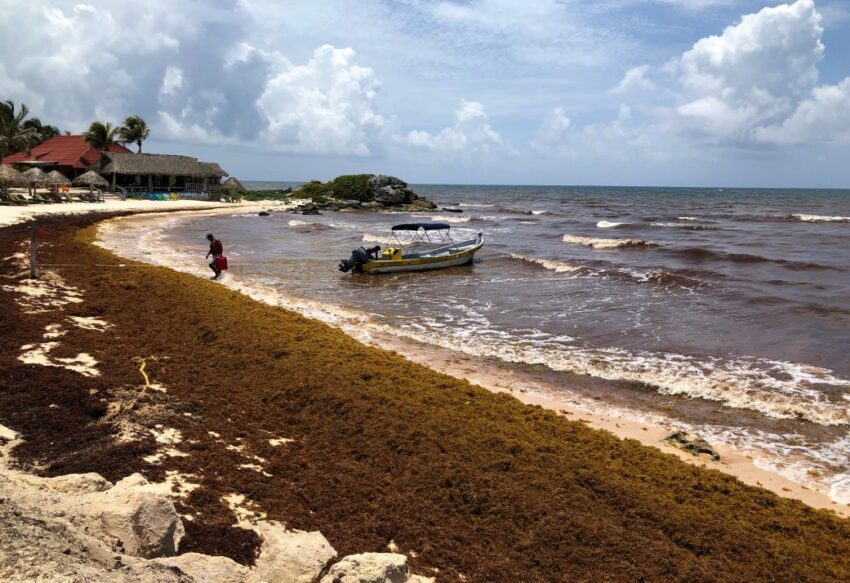
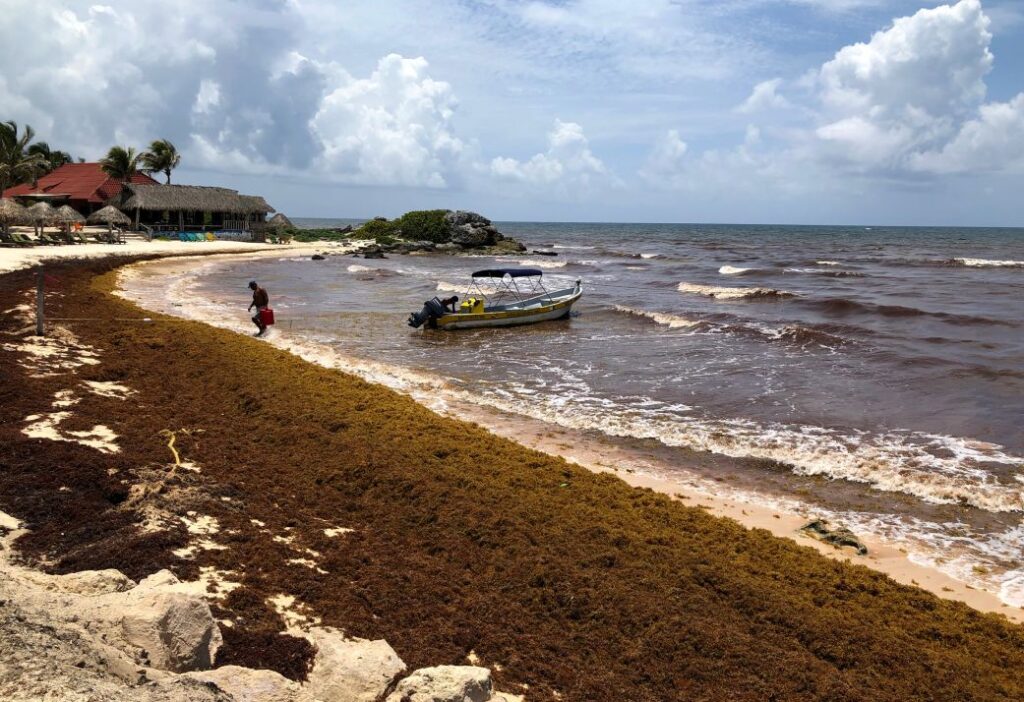
Tulum’s once-iconic turquoise beaches are now frequently buried under thick layers of sargassum, a foul-smelling seaweed that has become a near-constant problem. Piles of brown algae wash ashore daily, rotting quickly under the intense heat and releasing a sulfur-like odor that makes spending time on the beach unpleasant—sometimes unbearable. The water often turns murky and brown, eliminating the crystal-clear swimming conditions people travel for.
While hotels and beach clubs attempt daily cleanups, the scale of the problem is far beyond what manual labor can fix. Heavy machinery, makeshift barriers, and crews raking seaweed from sunrise to sunset have become part of the scenery. Even then, many areas remain unswimmable, and cleanup efforts can further damage the shoreline. Sargassum season isn’t a short inconvenience—it can last for months, and there’s no reliable way to predict when conditions will improve. If your idea of a beach vacation involves clear water, fresh air, and effortless relaxation, Tulum may no longer be the destination you’re imagining.
Don’t go to Tulum. Between over-tourism, environmental damage, safety concerns, and skyrocketing costs, it’s no longer the laid-back paradise it’s marketed to be. If you still want to experience the beauty of the Yucatán Peninsula—without the chaos and disappointment—check out my other blog post, where I share better, calmer alternatives that are actually worth your time. Tulum: The Ugly – Why I Will Never Go Back to Tulum